
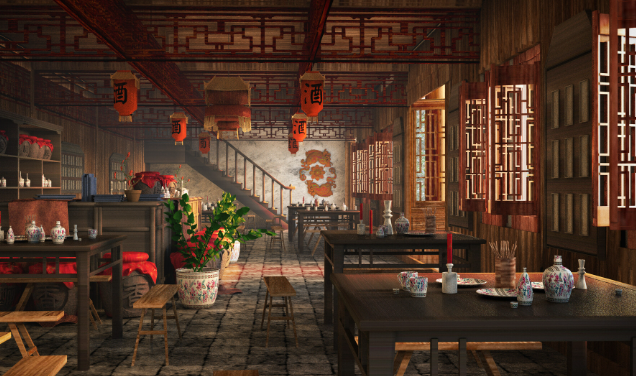
Chinese restaurant culture becomes especially meaningful when food brings people together around the same table. Shared dishes www.newhongkongchineserestaurant.com create an atmosphere where diners can talk, taste, compare, and enjoy different flavors at their own pace. This style of dining reflects traditions that value hospitality, variety, balance, and togetherness. A meal might begin with tea before moving through dumplings, vegetables, noodles, seafood, and roasted specialties. Each dish adds another layer to the experience, while the shared table keeps everyone involved. Chinese restaurant dining also offers a window into regional traditions, cooking techniques, and ingredients that have shaped the cuisine over generations. For curious diners, every shared meal can reveal something new about how food connects culture with everyday social life.
Sharing Food Creates Connection
The communal table remains one of the most recognizable features of Chinese dining. Restaurants often serve several dishes in the middle of the table so everyone can reach and sample them. This arrangement encourages interaction because diners naturally pass plates, discuss flavors, and recommend dishes to one another. It also gives guests more freedom to explore different foods without ordering a full portion for themselves. A familiar dish can sit beside something completely new, creating an easy balance between comfort and discovery. The meal develops gradually as everyone contributes to the selection. Rather than treating dinner as a collection of individual plates, shared dining turns food into something that connects the people sitting together.
Tea Adds a Traditional Rhythm
Tea often accompanies Chinese meals and contributes to the atmosphere around the table. Jasmine tea, green tea, oolong, and pu-erh can offer different aromas and levels of intensity, providing refreshing contrasts to savory dishes. Guests can pour tea while waiting for food, continue conversations between courses, and take a moment to appreciate the flavors. This rhythm gives dining a relaxed quality without making the meal feel slow or formal. Tea also demonstrates how Chinese food culture extends beyond what appears on the plate. The drink becomes part of the overall experience, connecting hospitality with everyday dining customs and encouraging guests to remain engaged with the people around them.
Dumplings Carry Family Traditions
Dumplings represent more than a popular menu choice. Their preparation can connect generations through shared cooking traditions. Families may prepare dough and fillings together before shaping each dumpling by hand. Restaurants continue this heritage by offering steamed, boiled, and pan-fried varieties with fillings that range from pork and shrimp to vegetables and mushrooms. Different shapes and cooking methods can create distinct textures, giving diners another reason to explore. Sharing a plate of dumplings also fits naturally into communal dining because several guests can enjoy them together. Their combination of craftsmanship, versatility, and cultural significance makes dumplings an important part of the story behind Chinese restaurant culture.
Regional Cuisine Reveals Diversity
Chinese cuisine does not follow one universal flavor profile. Regional traditions create significant differences in ingredients, seasoning, and cooking methods. Sichuan dishes often feature chilies and Sichuan peppercorns, while Cantonese cooking commonly emphasizes fresh ingredients and restrained seasoning. Northern Chinese cuisine has strong wheat-based traditions, including noodles, dumplings, and steamed buns. Other regions highlight rice, seafood, fermented ingredients, or aromatic spices. Restaurants can bring these influences together through menus that allow diners to travel across culinary regions without leaving the dining room. Exploring regional dishes can therefore reveal how geography and local traditions have shaped the enormous diversity found within Chinese food culture.
Cooking Techniques Preserve Heritage
Traditional cooking techniques help preserve the character of Chinese cuisine. Stir-frying allows cooks to work quickly over high heat while maintaining texture and fragrance. Steaming provides gentle preparation for fish, dumplings, buns, and vegetables. Braising develops rich flavors through slower cooking, while roasting creates aromatic surfaces and crisp textures. Each technique requires attention to timing and ingredients. The method can influence everything from tenderness to aroma, proving that preparation matters as much as seasoning. When restaurants continue using these techniques, they keep important elements of culinary heritage active within modern dining. Guests can experience this tradition directly through the textures and flavors that arrive at the table.
Rice Brings Dishes Together
Rice provides a familiar foundation for many Chinese meals and helps connect different dishes across the table. Plain steamed rice can balance rich sauces, spicy preparations, and intensely seasoned meats. Fried rice offers a more complex option through wok cooking, eggs, vegetables, scallions, and other ingredients. Other rice dishes can incorporate seafood, meat, or regional specialties. Its neutral character makes rice particularly useful during communal meals because diners can combine it with several dishes without creating competing flavors. This simple staple therefore plays an important practical role while also reflecting the importance of grain-based foods within Chinese culinary traditions.
Noodles Offer Everyday Comfort
Noodles bring another important dimension to Chinese restaurant culture. They can appear in soups, stir-fries, or dishes covered with savory sauces and aromatic toppings. Different noodle varieties offer distinct textures, from soft and delicate to firm and chewy. Toppings such as beef, pork, seafood, mushrooms, greens, and scallions allow cooks to create countless combinations. Some noodle traditions also carry symbolic associations with longevity, particularly during celebrations. Their cultural meaning adds depth to an ingredient that otherwise seems simple. Sharing a noodle dish around the table also reinforces the communal character of the meal, allowing everyone to enjoy its aroma and texture together.
Fresh Ingredients Reflect Culinary Values
Chinese cooking often places strong emphasis on the quality and preparation of ingredients. Fresh vegetables, seafood, herbs, meat, tofu, and aromatics can each contribute distinct flavors to a dish. Ginger, garlic, scallions, sesame, and fermented ingredients help develop depth while supporting the main components. Cooks also pay close attention to texture, creating contrasts between crisp vegetables, tender meat, silky tofu, and chewy noodles. These choices demonstrate a culinary philosophy that values balance rather than excessive seasoning. Restaurants that respect ingredient quality can give diners a clearer sense of how traditional Chinese cooking creates complexity from carefully selected components.
Hospitality Shapes the Dining Room
Chinese restaurant culture also appears through hospitality and the way meals unfold. Offering food to others, making space for shared dishes, pouring tea, and considering the preferences of fellow diners can all contribute to a welcoming atmosphere. The table becomes a place where guests participate in the meal rather than simply receive food. This approach works especially well for celebrations and family gatherings, but it also fits casual dinners. Even a simple meal can feel more communal when everyone shares several dishes and remains involved in choosing what comes next. Hospitality therefore becomes part of the dining experience alongside flavor and presentation.
Every Meal Can Reveal Tradition
A shared Chinese restaurant meal can reveal cultural traditions through surprisingly simple details. The way dishes arrive, the decision to share them, the presence of tea, and the use of traditional cooking methods all contribute to the experience. Dumplings can connect diners with family customs, regional recipes can reveal geographic diversity, and rice or noodles can provide familiar foundations. Together, these elements show how Chinese cuisine combines food with social interaction. Each shared meal offers another opportunity to discover flavors while understanding the traditions that shaped them. The table becomes a meeting point where culinary heritage remains active, adaptable, and enjoyable for modern diners.