
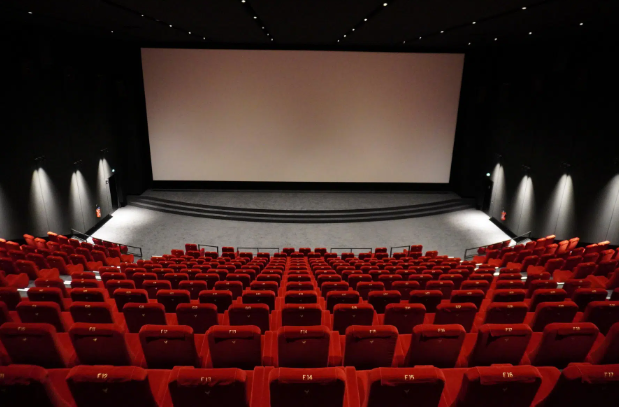
The cinema industry is undergoing a major transformation as digital viewing behaviors continue https://thevillagegroupe.com/ to evolve worldwide. Audiences today have more choices than ever before, with streaming platforms, mobile devices, and on-demand services reshaping how films are accessed. This shift has pushed the traditional cinema model to adapt in order to stay relevant in a fast-changing entertainment landscape. Streaming services have become a dominant force in global entertainment. Viewers can now watch films anytime and anywhere, without needing to visit a theater. This convenience has changed audience expectations, making instant access and content variety key priorities. As a result, cinemas must now offer experiences that go beyond simple film viewing to attract audiences.
Changing Audience Viewing Habits
Modern viewers prefer flexibility in how they consume content. Binge-watching, short viewing sessions, and mobile streaming have become common habits. These behaviors influence how films are produced, marketed, and released. The cinema industry must now consider not only theatrical releases but also digital performance and long-term audience engagement. To adapt to new behaviors, many studios now use hybrid release models. Films are released in cinemas and on digital platforms within shorter time windows. This approach helps reach wider audiences while still preserving theatrical revenue. Hybrid strategies reflect the balance between traditional cinema experiences and modern digital convenience.
Cinema Experience vs Home Viewing
Despite digital growth, cinema still offers a unique experience that home viewing cannot fully replicate. Large screens, immersive sound systems, and shared audience reactions create a stronger emotional impact. This difference encourages cinemas to focus on experience-driven upgrades that highlight the value of watching films in theaters. Digital technology plays a key role in the evolution of the cinema industry. Advanced projection systems, AI-driven recommendations, and data analytics help theaters understand audience preferences. These tools allow cinemas to improve scheduling, marketing, and overall viewer satisfaction. Technology is now central to both production and exhibition.
Audience Expectations Are Higher Than Ever
With access to global content, audiences have become more selective. They expect high-quality visuals, engaging storytelling, and seamless viewing experiences. This has raised the standard for both streaming platforms and cinemas. The industry must continuously innovate to meet these rising expectations. Digital platforms have made it easier for films to reach international audiences. A movie released in one country can now gain global popularity within days. This globalization has expanded opportunities for filmmakers but also increased competition. The cinema industry must now operate in a truly worldwide market.
Cinemas Focus on Experience-Based Value
To compete with digital platforms, cinemas are focusing on what makes them unique: experience. Premium seating, immersive formats, and enhanced food services are designed to create memorable visits. The goal is to turn moviegoing into an event rather than just a viewing activity. The cinema industry will continue evolving alongside digital viewing trends. While streaming will remain dominant for convenience, theaters will survive by offering immersive, social, and high-impact experiences. The future will likely blend both worlds, creating a balanced ecosystem of digital and theatrical entertainment.